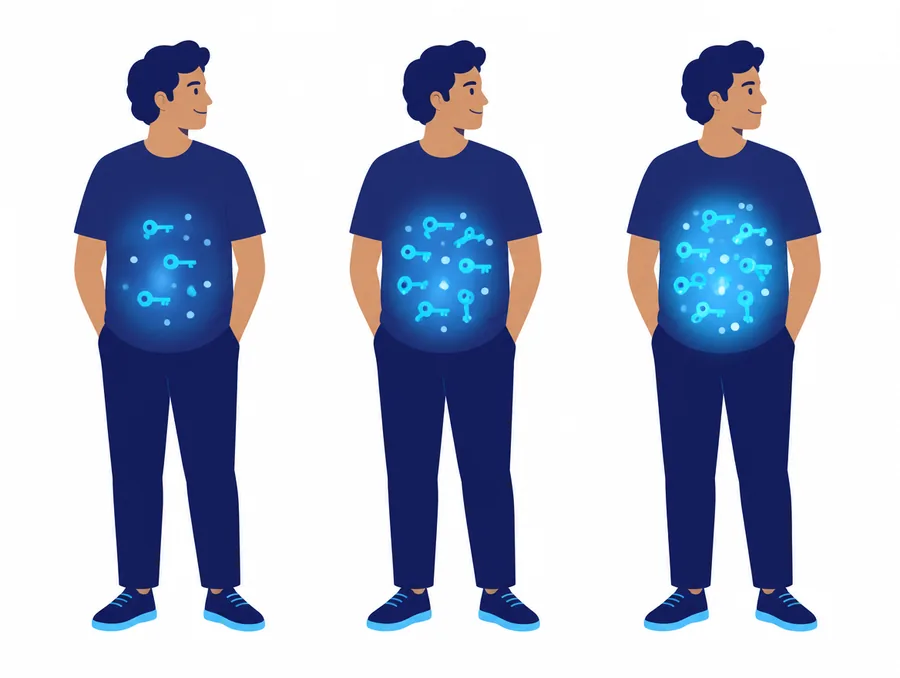
Blood sugar
Insulin helps the body use the sugar that comes from food. Sometimes this works less efficiently than before, and it can happen without any obvious change in weight.42

Internal health awareness
Underneath the everyday things, like what you eat, how you move and how you sleep, your body is always managing sugar, fat and energy. That is what we mean by internal health. It is not one test or one number. It is all of these working together.



 OutsideInside
Internal health covers
Five measures
No single one tells the whole story
What it includes
What internal health is, what it includes, and why it matters. A 2-minute read.
Internal health is how well your body handles the sugar, fat and energy it gets from food, day to day. It is an umbrella term. It is not one condition and it is not one number. Several everyday health measures together help show the picture.1
Includes things like
Does not mean
Sits directly below Screen 1 and is collapsed by default. It opens from [Know More] or the “What is it?” link in the header. Inside are four tabs, with [Previous] and [Next] to move between them.
Internal health matters
Looking beyond weight to overall wellbeing.
Always visible, even when the hidden section is closed. [Read the full explainer] opens the hidden section. Image: no photography. Two simple cards side by side.
Your health dynamics
Insulin helps the body use the sugar that comes from food. Sometimes this works less efficiently than before, and it can happen without any obvious change in weight.42
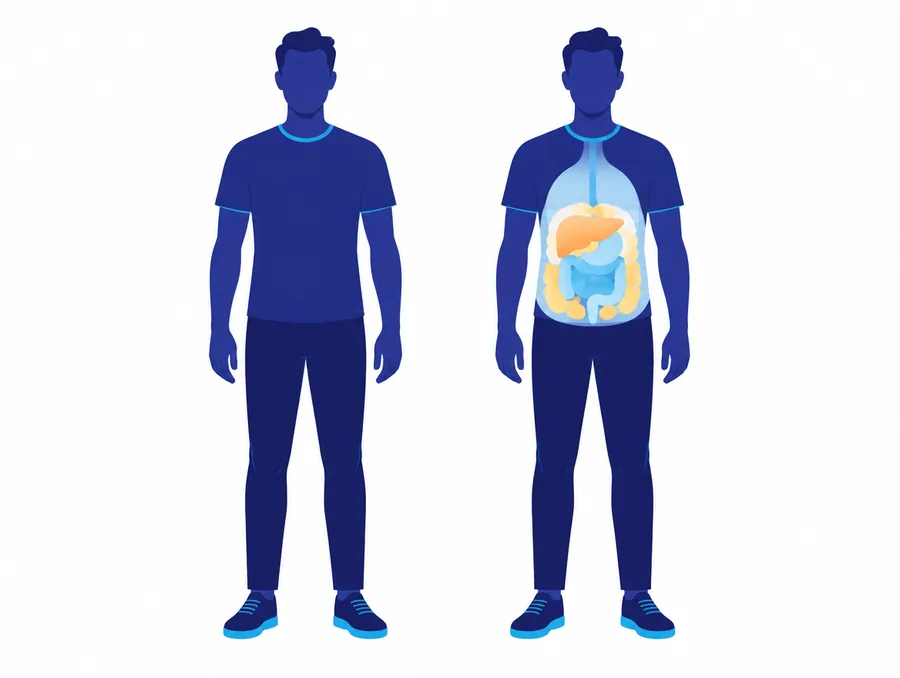
Fat can also build up inside organs, even in people who are not overweight. That is one reason weight is only one part of the picture.2
Image: two simple illustrations — sugar from food entering a body cell, with insulin as the key; and two figures of similar weight, one showing fat stored inside. Not medical, not detailed.
What shapes internal health
Support your health with nutrition, activity, sleep, and regular checks.

Regularly getting too little or too much sleep is associated with a higher risk of type 2 diabetes.9

Breaking up long periods of sitting, for example with a short walk after eating, may support how the body handles blood sugar.8



Including protein and fibre in meals is linked with a gentler rise in blood sugar after eating.7

Long-term stress has been linked with changes in internal health.10
Other things that play a part: Family history · Age · Body weight
Image: normal life — someone walking after dinner, a regular home-cooked meal, someone putting their phone away before bed. Do not make it look like a fitness campaign.
Know your health numbers
Know the health measures that shape your future wellbeing.
Know your health numbers: blood sugar, cholesterol, blood pressure, waist circumference matter.
HbA1c reflects your average blood sugar over roughly the past three months.5
A lipid profile shows cholesterol and triglycerides together.
Blood pressure can be high without any obvious symptoms.6
Shows where the body stores fat, which matters as well as how much.1
A useful measure, best understood alongside the others.
These are some of the measures that may be relevant to understanding internal health. A doctor can explain which ones matter for you and what your own numbers mean.
Image: keep this one clean. Five simple cards, no stock images. A very simple illustration of where the tape goes inside the panel: no “good” versus “bad” waist, no colours indicating risk.


This is a general guide, not a diagnosis. A waist circumference measurement alone cannot tell you whether you have a health problem.
Optional panel. Collapsed by default, it opens from the Know your health numbers section above.
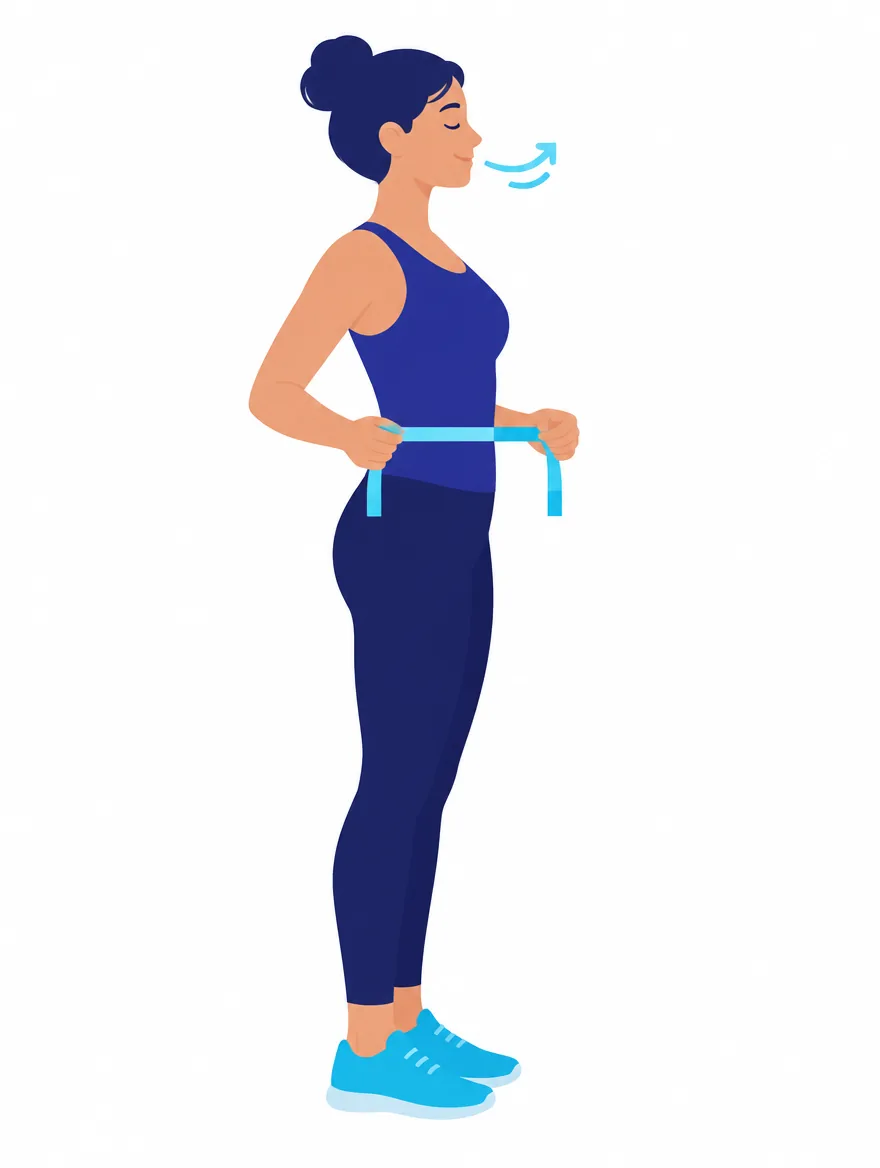
Stand normally and breathe out. Do not pull your stomach in.
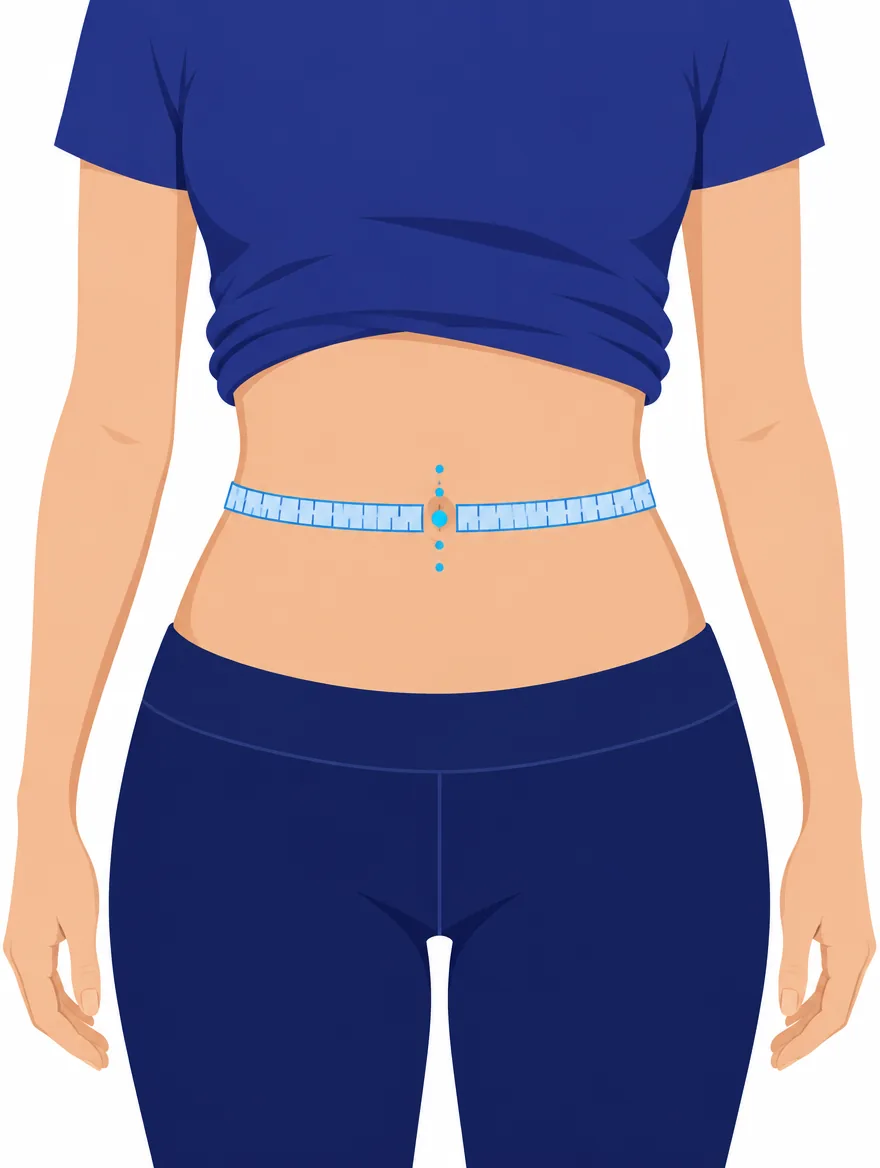
Place the tape around your waist at roughly navel level, against the skin.
Note the number. A doctor can help you understand it alongside your other measures.
A simple rule of thumb
Waist size should ideally be less than half your height. But do not read too much into one number. It is simply something useful to know and, if needed, discuss with a doctor along with things like blood sugar, cholesterol and blood pressure.
Image: a very simple illustration of where the tape goes: no “good” versus “bad” waist, no colours indicating risk.
Health starts with you
Some changes are easy to put down to a busy life.
“It is just a busy phase.”
“I have not been sleeping well.”
“Maybe I am just getting older.”


These changes can happen for many different reasons and do not necessarily mean there is an underlying problem. If they persist or cannot be explained, it may be worth discussing them with a healthcare professional.1114
Image: everyday moments rather than “symptoms”: someone halfway up a staircase, a pair of shoes by the door. Nothing medical, nothing dramatic.
Risk assessment tool
Know your key health measures and discuss them with a doctor.
This short self-assessment has eight questions and takes about 2 minutes. Nothing is saved or sent anywhere.
Internal health check · 8 questions · about 2 minutes · no sign-in
This screening tool is for health awareness and educational purposes only and does not promote any specific product, treatment, or brand. Your results are indicative only and do NOT constitute a medical diagnosis. This tool does not diagnose, treat, cure, mitigate, or prevent any disease or condition. Always consult a qualified healthcare professional for proper evaluation and diagnosis before making any health-related decisions. © 2026 Practo Technologies Private Limited.
What this tool is for
Showing which everyday factors are linked with internal health, and what you could talk about with a doctor.
What it does not do
It gives no diagnosis, score or risk rating, and it cannot tell you whether you have a health condition.
How your answers are handled
Your answers stay on this page. Nothing is saved or sent, and no name, phone number or email is asked for.
Know your key health measures and discuss them with a doctor.
Your summary
This is not a score or a rating. It lists what you told us and where to read more.
Your summary appears here once you have answered the questions.
Your results are indicative only and do NOT constitute a medical diagnosis. Always consult a qualified healthcare professional for proper evaluation and diagnosis. Nothing you entered has been saved.
Image: no illustration needed. The tool is the content on this screen.
Note: show one question at a time with a progress bar (“1 of 8”). Everything runs on the page; nothing is stored or logged. Only the total number of completions is counted. The summary links only to sections on this page.

Not sure what to ask? You could start with:
“Which of these measures are relevant for me?”
“What do my numbers mean for my age?”
“How often should these be looked at?”
“Is there anything in my routine I should change first?”
When to talk to a doctor
You do not need to wait until something feels seriously wrong. It may be worth a conversation if:
Changes like the ones above do not settle, or you cannot explain them
Diabetes, high blood pressure or heart disease runs in your immediate family
A doctor has told you before that your blood sugar, cholesterol or blood pressure was high
Do not wait for a routine visit if breathlessness is sudden or severe, or comes with chest pain, fainting or severe discomfort. Seek urgent medical care.
Image: a doctor and a person having an actual conversation. Both sitting down, same eye level, relaxed. It should look like someone asking questions, not like they have just been given bad news.
Learn your next steps
Both buttons open the interstitial below before going to the Practo page.
A conversation about blood sugar, cholesterol, blood pressure, body weight and waist circumference, and what they mean for you.
Guidance on nutrition, physical activity, sleep and other everyday routines.
Health is the umbrella conversation. Diabetes, high cholesterol, hypertension and fatty liver may seem like separate conditions, but they are often closely connected and influenced by many of the same underlying risk factors.